Imagine waking up to a warm cup of coffee brewed just for you, lights that adjust automatically to your mood, and security features that keep your home safe while you’re halfway across the world. Welcome to the exhilarating universe of home automation. In a world where convenience meets tech-savvy innovations, the home automation business is booming like never before. Startups and established companies alike are transforming houses into smarter homes. If you’ve ever dreamt of riding this technological wave and making a splash in the home automation market, you’re in the right place. Let’s jump into how you can turn this dream into a thriving business.
Understanding Home Automation
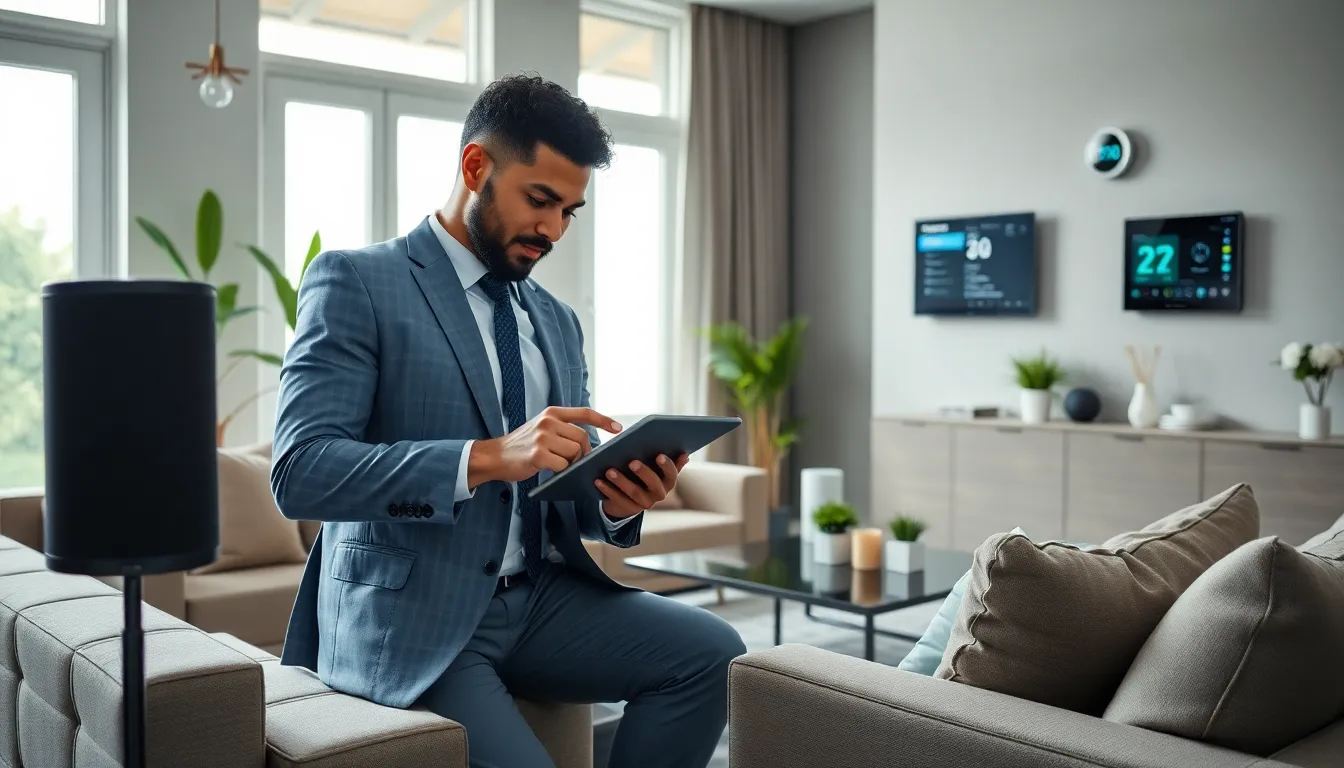
Home automation refers to the integration of technology that allows homeowners to control various systems and devices remotely. This includes lighting, heating, security, and entertainment systems, all designed to enhance convenience and improve energy efficiency. Devices connect through the internet, creating a smart ecosystem that responds to user preferences. For instance, you can program your thermostat to adjust based on your routines and receive alerts if there’s unusual activity around your home. With such impressive capabilities, it’s no wonder that many homeowners are hopping on the smart home bandwagon.
Key Features of Home Automation Systems
Home automation systems offer a plethora of features designed to improve user experience. Some of the most notable include:
- Remote Access: Smart homes can be controlled from anywhere using mobile apps or voice commands, giving homeowners unparalleled command over their property.
- Energy Monitoring: Automated systems track energy usage, allowing homeowners to optimize consumption and save on bills.
- Enhanced Security: Integration of cameras, alarms, and smart locks strengthens home security, providing peace of mind.
- Interconnectivity: Devices within the system communicate, allowing for coordinated actions, such as lights dimming when a movie starts or the thermostat adjusting when it rains.
- Customization: Homeowners can easily set preferences, creating personalized schedules that simplify daily routines.
As these features continue evolving, homeowners find themselves living in increasingly intelligent environments.
Market Trends and Opportunities
The home automation market is on an upward trajectory, spurred by trends such as the rise of the Internet of Things (IoT) and heightened consumer awareness about smart home technology. Recent statistics reveal that the global home automation market is projected to reach over $100 billion by 2026. Opportunities abound for new businesses to capitalize on this growth.
For instance, with more people working from home, the demand for enhanced home office setups has surged. Also, energy-efficient solutions are increasingly sought after as homeowners look to save on utility costs while being eco-friendly. Customization and integration into existing home systems also present a ripe opportunity for startups looking to carve a niche.
Starting Your Home Automation Business
Launching a home automation business requires strategic planning and a deep understanding of technology. Here are essential steps to consider:
- Market Research: Identify your target audience and study competitors to shape your offerings.
- Business Model: Decide whether to focus on installation services, software development, or hardware sales. Each niche offers different pathways to profitability.
- Choose Technology: Consider partnerships with established tech firms or explore the latest innovations in automation devices.
- Licensing and Certification: Ensure compliance with local regulations and standards to build credibility and trust.
- Marketing Strategy: Create a compelling marketing plan utilizing social media, local advertising, and SEO to attract customers.
- Customer Education: Offering workshops or online resources can demystify home automation for potential clients, making them more eager to invest.
Challenges in the Home Automation Industry
While the home automation industry is ripe with opportunities, it’s not without its challenges. Competing against established brands can be daunting for newcomers. Besides, the rapid pace of technological advancements means businesses must continuously adapt to stay relevant.
Another obstacle is cost: high-quality systems may be expensive, deterring budget-conscious customers. Addressing security concerns is also crucial, as more devices connected to the internet can pose vulnerabilities. Educating customers about the importance of secure setups can counteract hesitance about smart home investments.
Best Practices for Success
To thrive in the home automation business, consider these best practices:
- Focus on Customer Service: Provide exceptional service to foster loyalty, leading to repeat business and referrals.
- Stay Updated: Keep abreast of industry trends and emerging technologies to ensure your offerings remain competitive.
- Network: Collaborate with other professionals in related fields, such as interior designers or builders, to extend your reach.
- Offer Custom Solutions: Tailor systems based on individual customer needs, which will heighten satisfaction and set your business apart.
- Seek Feedback: Use customer feedback to refine products and services continuously.
The Future of Home Automation
Looking ahead, the home automation landscape is set to evolve further, integrating AI and machine learning for smarter systems. Imagine devices that learn individual patterns and anticipate user needs without prompt. Increased emphasis on sustainability will also dominate the market as energy-efficient products gain traction. Manufacturers are exploring renewable energy integrations, making the smart home not only intelligent but environmentally friendly. With its dynamic environment, the future of home automation appears bright, beckoning innovators and entrepreneurs to shape this exciting frontier.