Interior architecture blends aesthetics with functionality, transforming spaces into harmonious environments. It goes beyond mere decoration, focusing on the structure and layout to enhance the user experience. As urban living evolves and the demand for versatile spaces increases, understanding the principles of interior architecture becomes essential for both homeowners and designers.
This discipline not only addresses the visual appeal of a space but also emphasizes practicality and sustainability. By integrating design elements with architectural integrity, interior architecture creates spaces that reflect personal style while serving their intended purpose. As trends shift and technology advances, the role of interior architects continues to expand, pushing the boundaries of creativity and innovation in every project.
Overview of Interior Architecture
Interior architecture serves as a critical discipline that combines aesthetics and functionality within built environments. It prioritizes the design of interior spaces, emphasizing structural elements like walls, ceilings, and floors to enhance user experience.
Interior architecture focuses on improving space utilization, integrating principles of architectural design with interior needs. This approach ensures that environments are not just visually appealing but also practical and supportive of their intended uses.
Sustainability plays a significant role, with interior architects incorporating eco-friendly materials and energy-efficient systems into their designs. Trends in urban living necessitate adaptable spaces, leading to innovative solutions that address contemporary lifestyle demands.
Interior architects utilize advanced technologies and design software to create detailed layouts, ensuring that every project aligns with client requirements and safety standards. Their expanding role reflects the growing need for multifunctional spaces that foster community and encourage well-being.
Key Elements of Interior Architecture
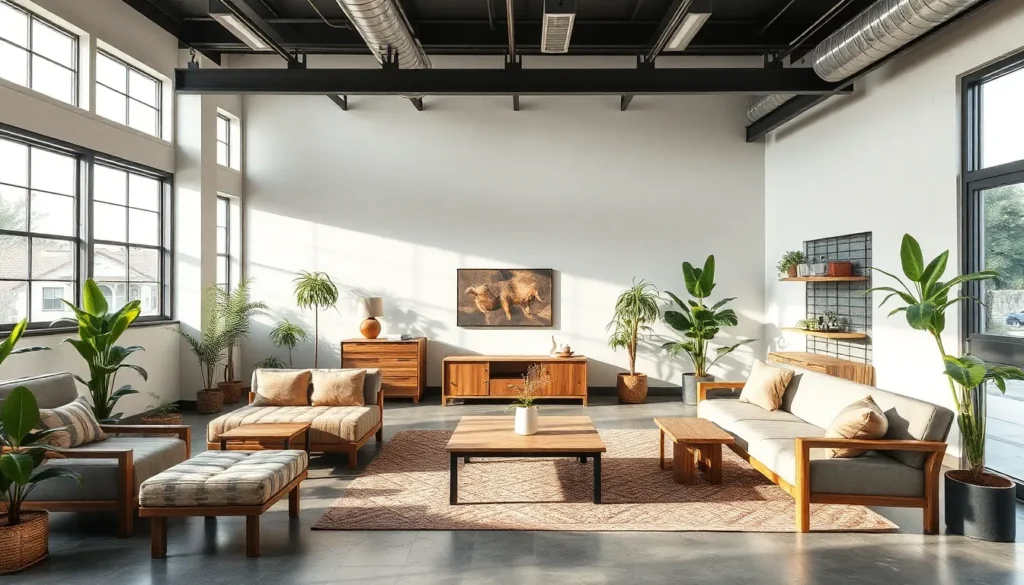
Interior architecture encompasses essential components that shape functional and aesthetically pleasing environments. Two critical elements include space planning and material selection.
Space Planning
Space planning involves strategically organizing areas within a structure to optimize functionality. Effective space planning considers user needs, activities, and traffic flow, ensuring seamless movement between spaces. Interior architects assess dimensions, layouts, and the purpose of each area. They create zones for specific functions, enhancing usability while maximizing available space. Techniques such as zoning and creating focal points guide designs, aligning with the overall vision of the project. Proper space planning ultimately fosters comfort and promotes positive experiences.
Material Selection
Material selection plays a vital role in interior architecture, impacting both functionality and aesthetics. Interior architects choose materials based on durability, sustainability, and visual appeal. Eco-friendly options, such as reclaimed wood, recycled metal, and low-VOC paints, often feature prominently in designs. Additionally, architects consider maintenance requirements and safety standards, selecting finishes that withstand wear and meet health regulations. The right materials enhance not only the beauty of a space but also its longevity and environmental impact. Thoughtful material selection elevates the overall design, reflecting both creativity and responsibility.
Design Styles in Interior Architecture
Design styles in interior architecture reflect diverse aesthetics and philosophies, influencing how spaces are conceived and experienced. Below are key styles frequently seen in the discipline.
Modern Design
Modern design emphasizes simplicity, clean lines, and a minimalistic approach. This style often features open floor plans that encourage flow and functionality. Key characteristics include:
- Neutral palettes: Dominant colors often include whites, grays, and earth tones, providing a serene backdrop.
- Natural materials: Use of wood, metal, and glass enhances the connection to nature while promoting durability.
- Functional furniture: Multi-purpose and streamlined furnishings embody practicality without sacrificing style.
- Innovative technologies: Integration of smart home systems improves convenience and energy management.
Modern design suits urban spaces, catering to the needs of contemporary living environments while maintaining an uncluttered aesthetic.
Traditional Design
Traditional design draws inspiration from historical styles, creating warm and inviting spaces that exude elegance. This style includes specific elements such as:
- Rich color schemes: Deep hues like burgundy, navy, and gold establish a cohesive and luxurious atmosphere.
- Ornate details: Architectural moldings, intricate woodwork, and decorative accents showcase craftsmanship and attention to detail.
- Classic furnishings: Antique or reproduction pieces, such as wingback chairs or carved tables, enhance comfort and timelessness.
- Layered textiles: Use of plush fabrics—like silk, velvet, and brocade—adds depth and richness to interior spaces.
Traditional design appeals to those who appreciate heritage and craftsmanship, ensuring warmth and familiarity in contemporary settings.
The Role of Technology in Interior Architecture
Technology reshapes the landscape of interior architecture, allowing for enhanced design capabilities and user experiences. Innovations improve functionality, aesthetics, and sustainability throughout spaces.
Smart Home Integration
Smart home integration plays a critical role in modern interior architecture. Designers incorporate intelligent systems that manage lighting, climate, security, and entertainment. These systems enhance user comfort while providing energy efficiency. For example, programmable thermostats adjust temperatures based on occupancy, optimizing energy consumption. Moreover, voice-controlled assistants can streamline daily routines, allowing users to interact seamlessly with their environments. Interior architects prioritize the integration of smart devices to create cohesive, user-friendly spaces that promote convenience and efficiency.
Virtual Reality in Design
Virtual reality (VR) transforms the design process in interior architecture. Architects can visualize and modify spaces before construction, allowing for real-time adjustments based on client feedback. Using VR technology, clients experience immersive renditions of their designs, enhancing decision-making. This technology enables architects to showcase various materials, layouts, and color schemes, fostering collaboration and creativity. Enhanced visualization tools reduce costly errors and misunderstandings, streamlining the project’s overall efficiency. Through VR, interior architecture enters a new era, bridging the gap between imagination and reality.
The Impact of Interior Architecture on Wellbeing
Interior architecture significantly influences occupants’ wellbeing by creating environments that promote health, comfort, and productivity. Thoughtful design elements enhance mental and physical health, emphasizing the connection between space and user experience.
Natural Light and Air Quality
Natural light plays a crucial role in enhancing mood and alertness. Spaces with ample windows and strategic layouts maximize daylight, reducing reliance on artificial lighting. Good air quality, achieved through proper ventilation and the use of non-toxic materials, contributes to overall wellbeing. Research indicates that environments with higher levels of natural light and fresh air improve cognitive function and reduce stress levels.
Space and Layout Design
Effective space planning optimizes movement and flow, reducing congestion and frustration. Open floor plans promote social interaction and collaboration, vital for mental health. Additionally, designated areas for relaxation, such as reading nooks or quiet zones, encourage mindfulness and stress relief. Zoning techniques create a sense of order, enhancing user satisfaction and comfort.
Biophilic Design
Biophilic design incorporates natural elements into interior spaces, fostering a connection to nature. Elements such as indoor plants, water features, and natural materials not only enhance aesthetics but also improve psychological health. Studies show that exposure to nature reduces anxiety and boosts overall wellbeing, making biophilic design a key aspect of impactful interior architecture.
Personalization and Flexibility
Personalized designs cater to individual preferences, enhancing emotional attachment to spaces. Flexible layouts accommodate various activities, allowing users to adapt spaces according to their needs. This adaptability promotes a sense of ownership and control, positively impacting mental health.
Ergonomics and Comfort
Ergonomic furniture and thoughtful spatial arrangements improve comfort and reduce physical strain. Properly designed workspaces lead to higher productivity levels and lower health risks associated with prolonged sitting or poor posture. Attention to comfort enhances daily experiences, influencing overall wellbeing.
Acoustic Considerations
Acoustic design, including soundproofing and managing noise levels, affects occupant comfort and focus. Creating quiet zones in busy environments reduces distractions, improving mental clarity and productivity. Effective acoustic solutions contribute to a more serene environment, positively impacting user experiences.
By integrating these elements, interior architecture fosters a harmonious balance between aesthetics and functionality, significantly enhancing user wellbeing.
Interior architecture plays a pivotal role in shaping the environments where people live and work. By blending aesthetics with functionality it creates spaces that not only look good but also serve practical purposes. As urban living continues to evolve the need for adaptable and sustainable designs becomes increasingly important.
The integration of technology enhances user experiences while promoting energy efficiency. Thoughtful design choices contribute to occupant wellbeing by prioritizing natural light and air quality. As this discipline advances interior architects will continue to push boundaries fostering innovation and creativity. The future of interior architecture promises to deliver spaces that are not just visually appealing but also deeply connected to the needs and experiences of their users.